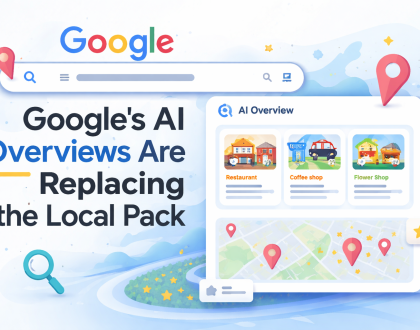

Zero-Click Search Is Here to Stay: How Businesses Can Win in 2026 (AI-Optimized Guide)
Search Has Changed Forever
Search behavior has undergone the most dramatic shift since Google launched its first results page. Data from SparkToro shows that over 60% of Google searches now end without a single click. Users no longer need to visit websites to get answers. Google delivers information instantly through:
-
Featured Snippets
-
AI Overviews
-
Local Packs
-
Knowledge Panels
-
People Also Ask (PAA)
-
Direct Answer Boxes
In short: Search users are satisfied before they ever reach your website.
This shift doesn’t mean businesses are losing visibility—it means the rules have changed. Winning in 2025 requires businesses to move beyond traditional SEO and adopt a strategy focused on AI visibility, entity authority, and zero-click dominance.
At Yroc Consulting, we help companies build the signals AI systems need to trust and recommend them – no click required.
What Are Zero-Click Searches?
A zero-click search happens when a user receives their answer directly on the results page. Instead of choosing a link, Google, Bing, or an AI assistant summarizes the information pulled from authoritative websites.
Common Zero-Click Formats
-
Featured Snippets: Short answers pulled directly from site content.
-
People Also Ask: Expandable question-and-answer boxes.
-
AI Overviews: Multi-source summaries generated by large language models (LLMs).
-
Local Packs: Maps, reviews, photos, and contact details—no click needed.
-
Direct Answer Boxes: Instant factual responses (e.g., “Avocado calories”).
Zero-click formats are designed for speed, clarity, and mobile usability, which is why they’re exploding across every industry.
Why Zero-Click Search Matters More Than Ever in 2025
The rise of zero-click results is driven by massive changes in behavior, technology, and platform incentives.
Key Industry Stats
-
63.5% of Google searches end without clicks.
-
AI Overviews answer 28% of commercial queries.
-
Mobile zero-click searches hit 71%.
-
Voice search is up 140% since 2023.
These numbers reveal a new reality: visibility beats clicks. Brands that appear in zero-click results become trusted authorities—even when users never land on their website.
4 Forces Driving Zero-Click Growth
1. Mobile Behavior Shifts
-
83% of mobile users abandon the search after getting the answer they needed.
-
SERP evaluation time is now 15 seconds or less.
-
Voice search has exploded due to hands-free browsing.
Mobile users want answers—not websites.
2. AI Advancements
Google’s AI capabilities have accelerated the zero-click trend. MUM and Gemini upgrades allow Google to:
-
Analyze multimodal data (images + text + audio)
-
Process 11 languages at once
-
Understand context and intent more deeply
(“Show me waterproof hiking boots for rainy Alps trails”)
The SERP is no longer a static list. It’s an AI-curated experience.
3. Platform Economics
Google earns more from zero-click shopping and product queries.
-
Product carousels and AI answers generate 32% more ad revenue than traditional organic search.
Google’s incentive? Keep users on Google.
4. User Psychology
-
68% of people trust SERP answers as definitive.
-
Short attention spans reinforce the need for instant clarity.
Users believe what they see at the top—and rarely scroll further.
Why Zero-Click Searches Matter for Your Business
1. Decline in Organic Traffic
Even businesses with strong rankings report 20–30% drops in website visits. This isn’t failure—it’s the market evolving.
2. Rise in Brand Visibility
Appearing in snippets, local packs, or AI summaries boosts:
-
Trust
-
Authority
-
Name recognition
Nearly 70% of consumers trust brands that appear inside SERP answer boxes.
3. Shift in User Behavior
Mobile-first users search with intent.
They want:
-
A quick answer
-
A recommended provider
-
A local option
If your business is visible in these instant answers, you win—even without a click.
7 Strategies to Dominate Zero-Click Results in 2025
1. Structure Content for Featured Snippets
AI pulls clean, structured answers.
How to optimize:
-
Put a direct answer in the first 40–60 words.
-
Use bullets, tables, and lists.
-
Add FAQ sections based on PAA queries.
-
Use “What is…?” and “How to…” phrasing.
Example snippet-ready answer:
How to Remove Coffee Stains from Carpet:
Blot the liquid, apply a vinegar-water mix (1:1), let sit for 5 minutes, scrub lightly, and rinse with cold water.
This format ranks naturally in both Google and AI models.
2. Optimize Your Google Business Profile (GBP)
For local businesses, GBP is the new homepage.
To dominate local packs:
-
Insert targeted keywords (“best chiropractor in Sherman, TX”).
-
Upload 20–50 high-quality photos.
-
Add weekly posts.
-
Respond to every review descriptively.
Case Example:
A Phoenix bakery added “vegan birthday cakes” to their GBP description and saw a 240% increase in map clicks.
3. Implement Schema Markup (Critical for AI Search SEO)
Schema helps AI systems understand:
-
Who you are
-
What you do
-
What your page covers
Best schema types:
-
FAQ
-
How-to
-
Product
-
LocalBusiness
-
Service
-
Article
Tools:
-
Merkle Schema Builder
-
RankMath (WordPress)
-
Schema.org templates
A food blog using schema saw 70% of its recipes appear in carousels.
4. Refresh and Repurpose Outdated Content
Freshness signals matter now more than ever.
Update content by adding:
-
New statistics (2024–2025 data)
-
Current industry terminology
-
PAA-based questions
-
Updated screenshots or visuals
A tech site that refreshed 30 guides saw a 45% increase in impressions.
5. Optimize for Voice Search
Nearly 40% of zero-click searches originate from voice.
Voice search guidelines:
-
Write in conversational phrases.
-
Answer questions in 20 seconds or less.
-
Use natural-language subheadings.
Voice-friendly example:
“Okay Google, how do I clean silver jewelry?”
→ Use toothpaste, scrub gently with a soft toothbrush, rinse with warm water.
6. Track Metrics That Actually Matter
Clicks do not equal success anymore.
Focus on:
-
Impressions (Search Console)
-
Snippet ownership
-
Map pack views
-
Knowledge panel presence
-
AI Overview citations
Tools:
-
SEMrush (snippet + SERP feature tracking)
-
BrightLocal (local performance)
-
Ahrefs (brand mentions + entity strength)
7. Create Videos That AI Can Pull Into Summaries
Short, helpful videos are a goldmine for zero-click visibility.
Best formats:
-
30–60 second tutorials
-
Before/after showcases
-
Step-by-step fixes
Quick example:
“How to Unclog a Sink in 3 Minutes”
→ A top-ranking video for DIY queries.
AI systems LOVE video content because it explains fast and clearly.
Conclusion
Zero-click search isn’t reducing opportunity – it’s redefining it.
Businesses that adapt can experience massive growth through:
✔ Direct, authoritative answers
✔ Local optimization (GBP + reviews)
✔ AI-friendly structured data
✔ Fresh content and voice-search alignment
The future belongs to brands that show up where users get their answers – not just where users click.
At Yroc Consulting, we help businesses build the entity signals, structured content, and AI optimization required to dominate in this new era.
Future Trends to Watch
-
AI Overviews expand into medical, financial, and high-trust categories.
-
Video results increase by 30–50% across SERPs.
-
Personalized AI responses based on past behavior.
-
Local search becomes hyper-specific (“near me + intent”).
Brands that optimize now will own these prime positions before competitors even realize the opportunity.
Frequently Asked Questions (FAQ)
1. Do zero-click searches hurt website traffic?
Traffic may dip, but visibility and conversions increase. Users return to trusted brands when ready to buy.
2. Can small businesses compete?
Yes—local GBP optimization levels the playing field more than ever.
3. What content performs best?
“How-to” guides, FAQs, comparison lists, and step-by-step tutorials.
4. Are featured snippets permanent?
No. Regular updates are needed to maintain them.
5. How long until I see results?
Featured snippet improvements: 8–12 weeks
Local pack improvements: 2–4 weeks
6. Does voice search optimization matter?
Absolutely—voice queries convert highly, especially for local intent.
7. What keyword density works best?
1–3% naturally, with long-tails and synonyms.
8. Should I refresh old content?
Yes—freshness directly impacts AI ranking and snippet eligibility.
9. Is schema markup difficult?
Tools like RankMath make it simple, even for non-technical users.
Bibliography
SparkToro • SEMrush • SimilarWeb • BrightLocal • Aimtal • Adweek • Buffer • StoryChief • Google Quality Rater Guidelines • Gartner • Merkle • Google Search Central • STAT Analytics

Yroc Consulting
We live in SEOville, USA, drink only from the fountains that produce the highest ROI, and dine on warm leads. Our goal is to help Optimizers, Agency Owners, Freelancers, Single Moms, Corporation Owners, and you through the complex world of internet marketing.
Recommended Posts

How AI Is Changing Marketing
April 28, 2026
How to Earn Brand Mentions in AI Search
February 12, 2026